Perennial City: Experiments in Urban Gardening explores how Chicagoans—past and present—have used gardening as a tool for creativity, care, and community action.
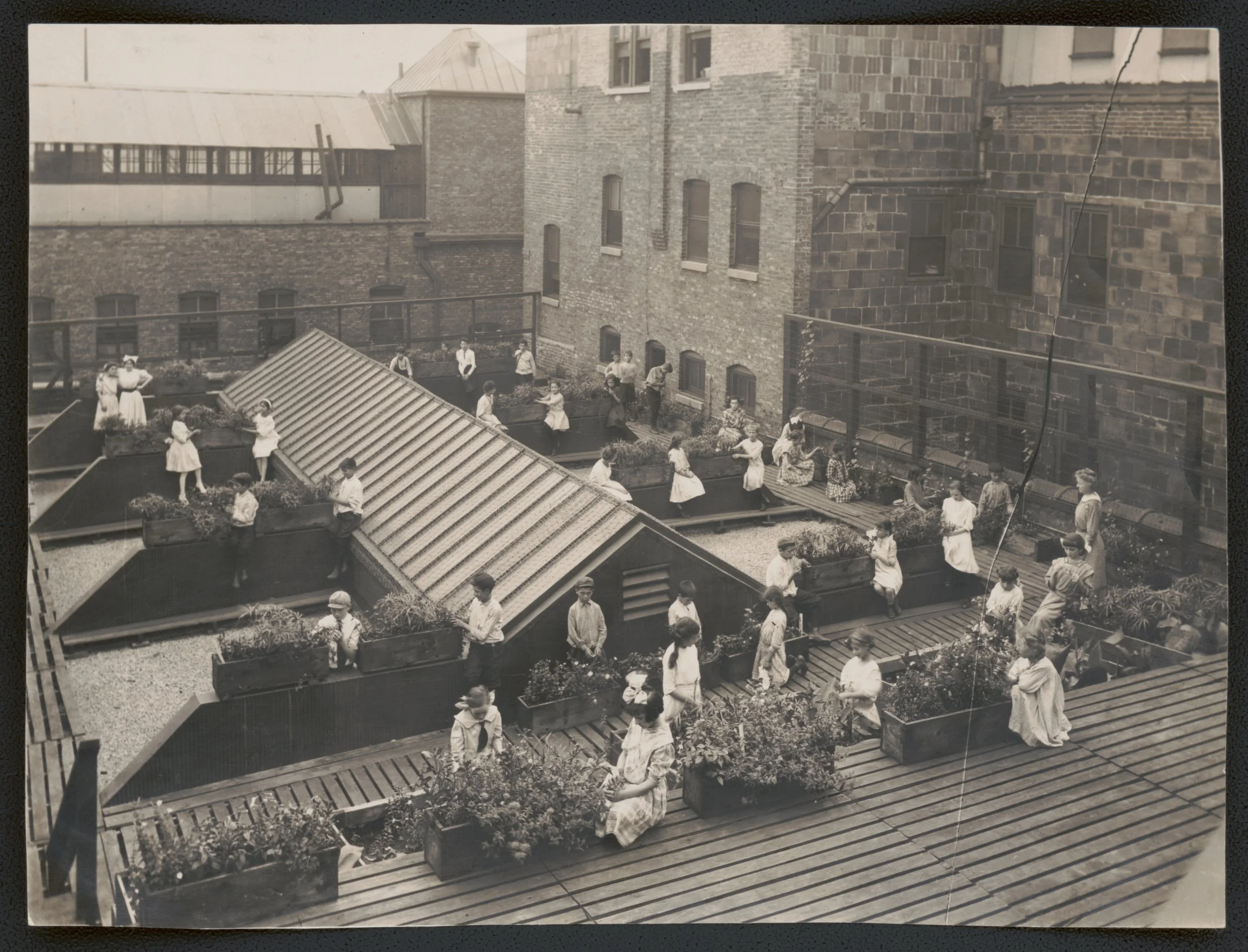
Roof garden, Elizabeth McCormick open air school; Hull House, Chicago. Chicago, Illinois, 1912. Photograph. Library of Congress. LC-USZ62-34992.
Opening March 19, 2026 Perennial City connects early urban gardening experiments at Hull-House to today’s movements for environmental justice, food access, and land stewardship.
Drawing on rarely seen archival materials alongside new artist commissions, the exhibition reveals how Hull-House helped immigrant and working-class communities at the turn of the twentieth century reclaim unused and industrial land to grow food, sustain cultural traditions, and build healthier urban lives. Hull-House reformers recognized gardening as more than recreation: it was a way to restore agency, resist the pressures of industrialization, and imagine a more humane city.
Installed throughout Hull-House’s historic interiors, the exhibition transforms the museum. Visitors encounter historic photographs and gardener testimonies alongside contemporary artworks. Highlights include a commissioned toile wallpaper by Relativity Textiles; artworks by Carlos Flores and Olly Costello; and an installation produced by Red Line Service artists in a workshop facilitated by Melissa Hilliard Potter.
Together, these works invite visitors to see the garden not simply as green space, but as a regenerative force—one that nurtures health, natural beauty, and collective flourishing across generations. Accompanied by public programs, garden visits, and an exhibition learning guide, Perennial City asks what it means to cultivate a city rooted in care and access to land.
Exhibition Highlights
Porta(til)
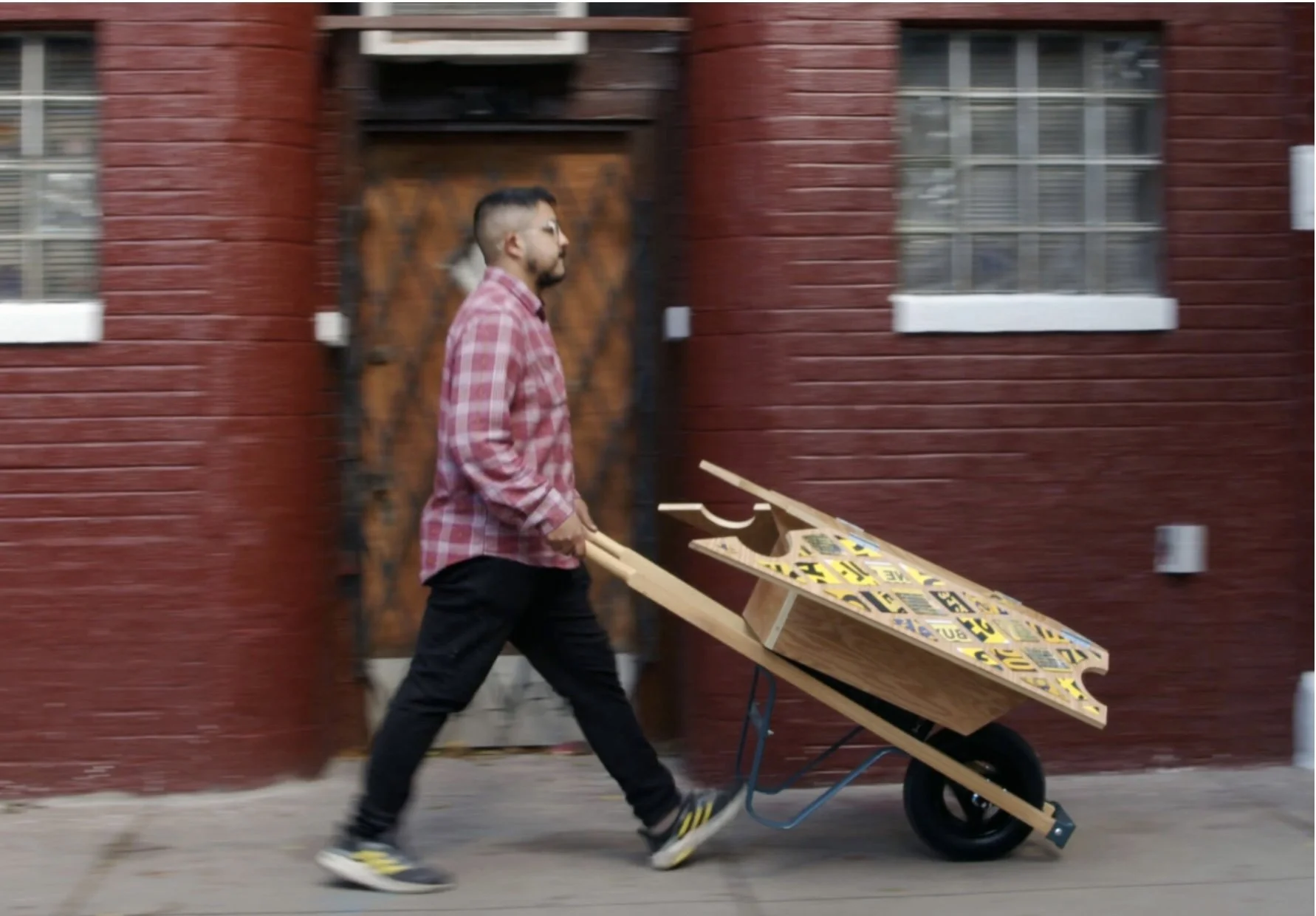
Carlos Flores brings his Porta(til) (2022-ongoing) installation to Hull-House Built into modified wheelbarrows, the pieces are mobile altars that merge the symbols of colonial missionary altars and the tools of day laborers, reimagining both as vessels of migration, survival, and spiritual labor. This installation is in partnership with La Huerta Roots and Rays, an organic community garden in Chicago’s Pilsen neighborhood.
Image: Carlos Flores, Porta(til) 2023—ongoing. Still from video performance. Cinematography by Ruby Que
Fertile Futures
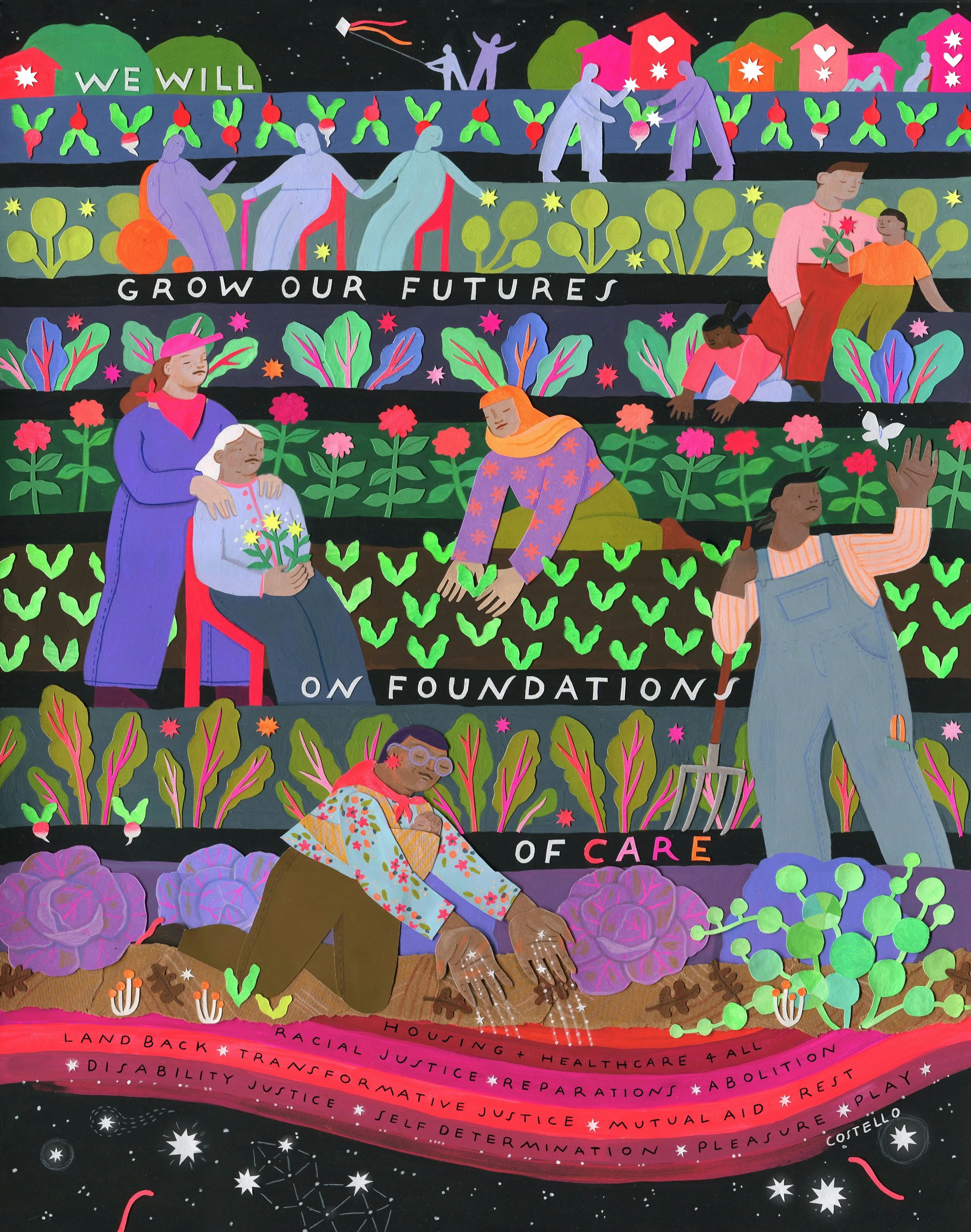
Olly Costello presents Fertile Futures (2022-2024), a series of vibrant cut-paper collages that use soil and garden imagery as literal and figurative symbols for the health of social infrastructure. Visitors will leave with packets of sunflower, pole bean, tulsi, and native flower seeds from Olly’s World We Want Seeds project.
Olly Costello, Foundations of Care, 2021 -2022, Cut paper and acrylic paint
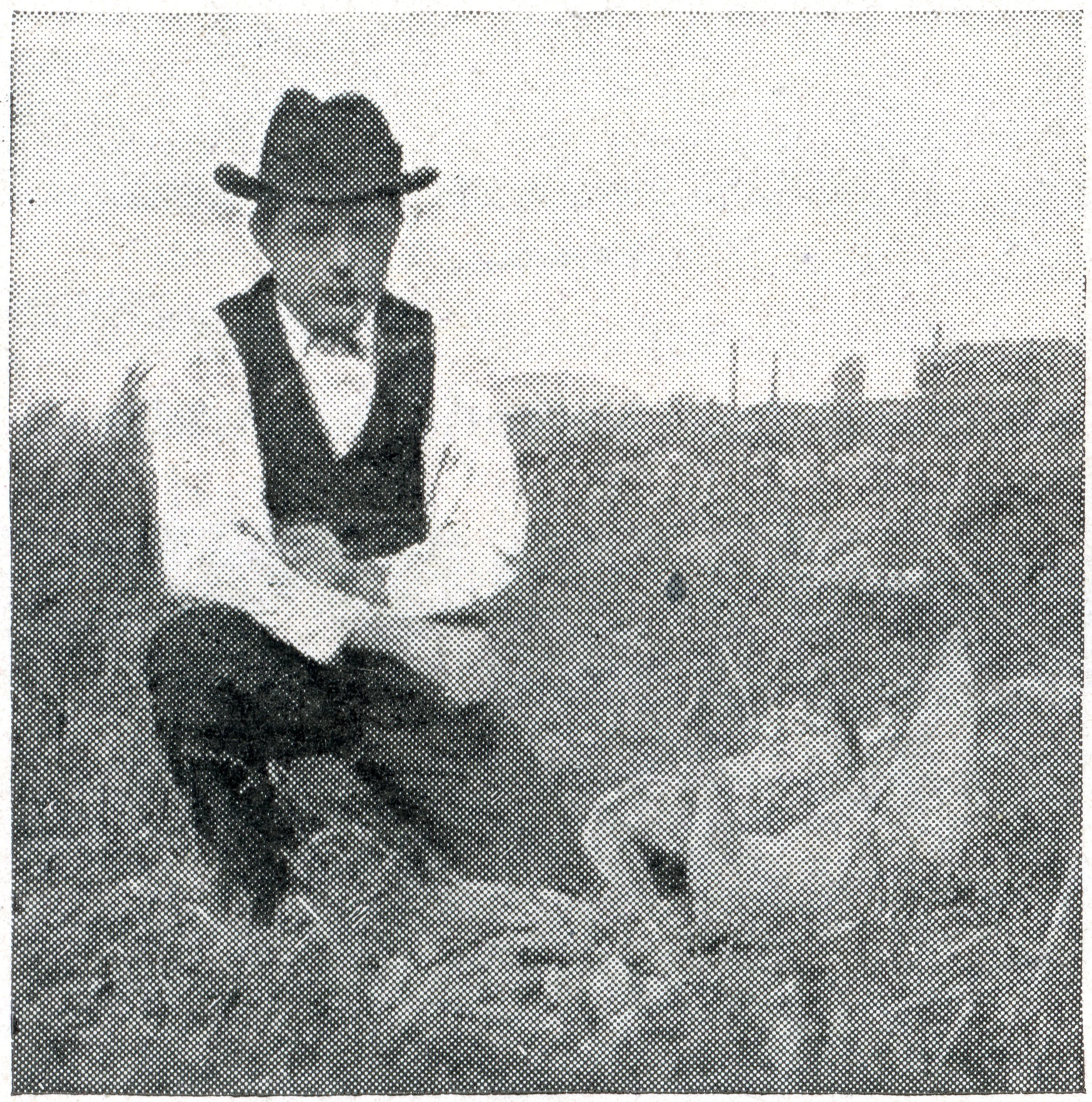
“A ‘mess” of turnips.’” Harvester World, International Harvester. Vol. 6, no. 11, 1915. Photograph. Courtesy of the Wisconsin Historical Society.
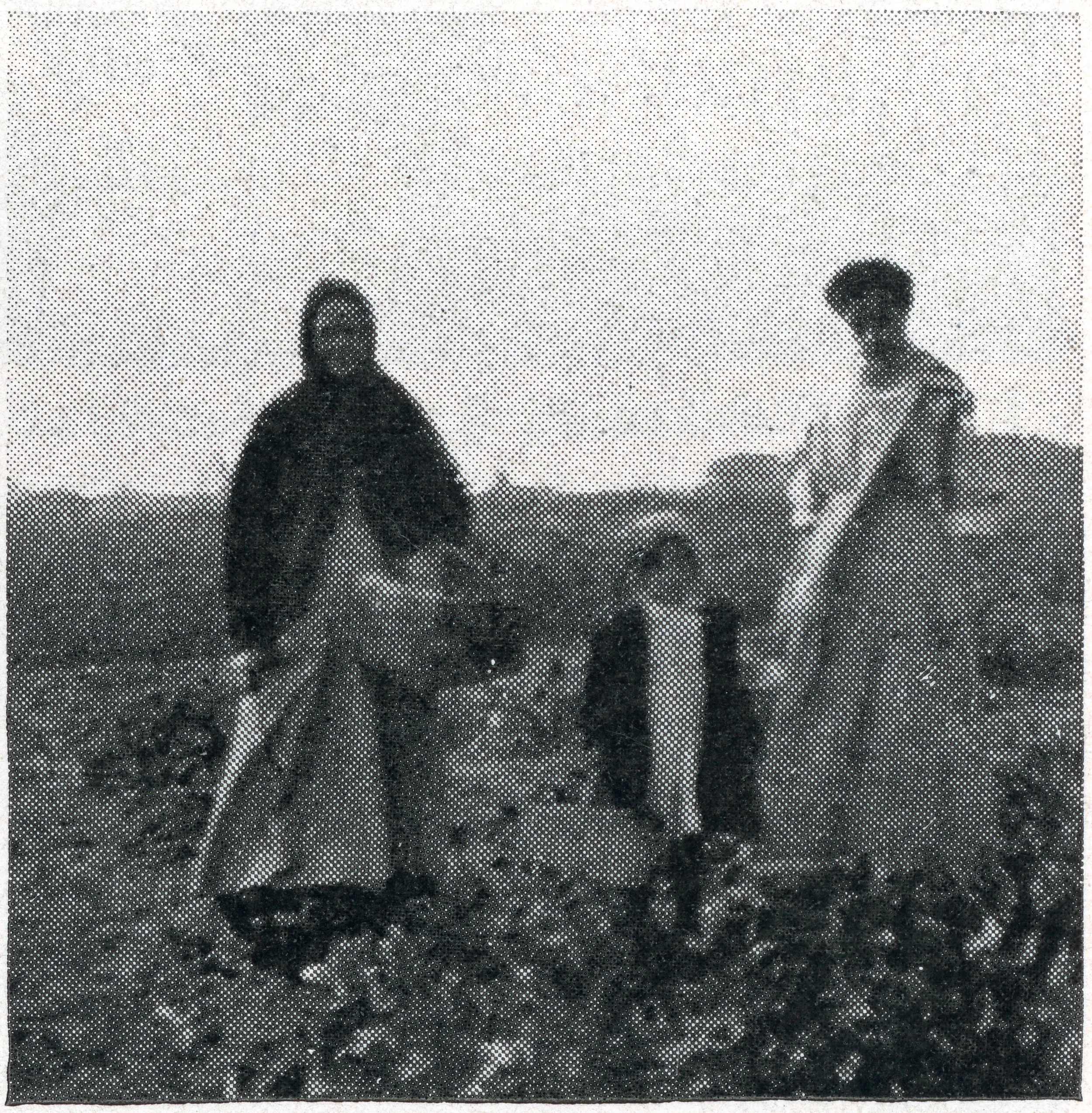
“Harvesters in the feminine gender.” Harvester World, International Harvester. Vol. 6, no. 11, 1915. Photograph.
“It was decided to have a definite plan for crops which should be sufficiently elastic to allow our Italian farmers plenty of room for garlic and peppers, our Irish friends potatoes, and our German contingent cabbages and kohlrabi, and still be regular enough to make a pleasant display and a profitable crop. […] The seed is planted across the lots, in rows thirty-six feet in length. The general plan is as follows:
Onions, 8 rows.
Parsley, onions, 1 row.
Parsnips, 6 rows.
Carrots, 3 rows.
Swiss chard, 1 row.
Lettuce, 1 row.
Spinach, cucumbers (for pickles) 2 rows.
Earliest peas, 1 row.
Radishes, cucumbers, 1 row.
Early peas, 1 row.
Beets, turnips, 4 rows.
Kohlrabi or peppers, 1 row.
Cabbage (early), 1 row.
Cabbage (late), 1 row.
Peas, 4 rows.
Beans, spinach, 8 rows...”
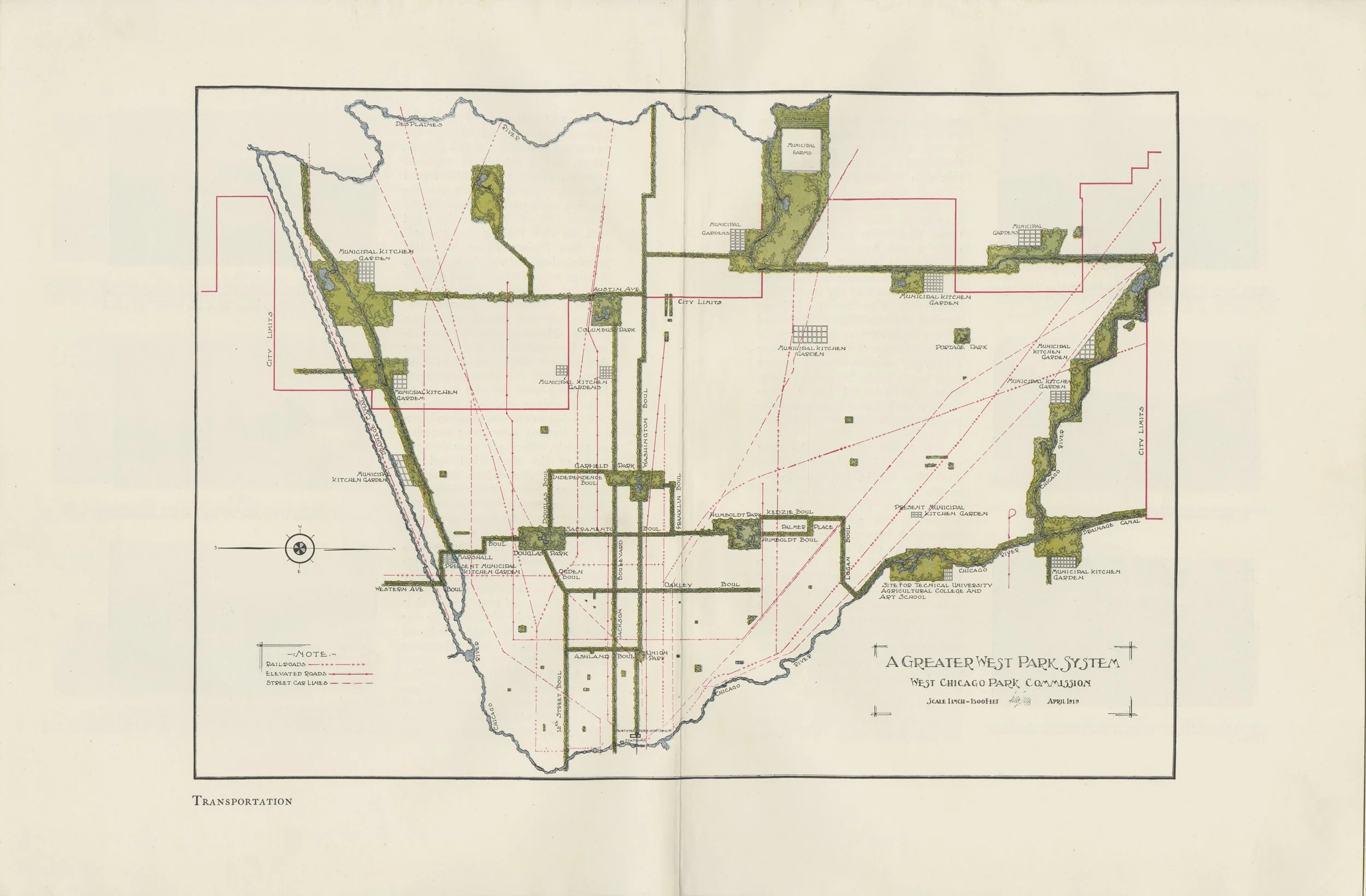
The Greater Western Park System, after the plans for Jens Jensen, West Chicago Park. Commission, 1919. courtesy of Chicago Public Library, Special Collections
“A true expression of native talent is not found in the pompous gardens of large estates. For true expression you must look in the simple gardens of the common folk. Here is found a true art that has grown out of the soil and out of the heart of those people. ”
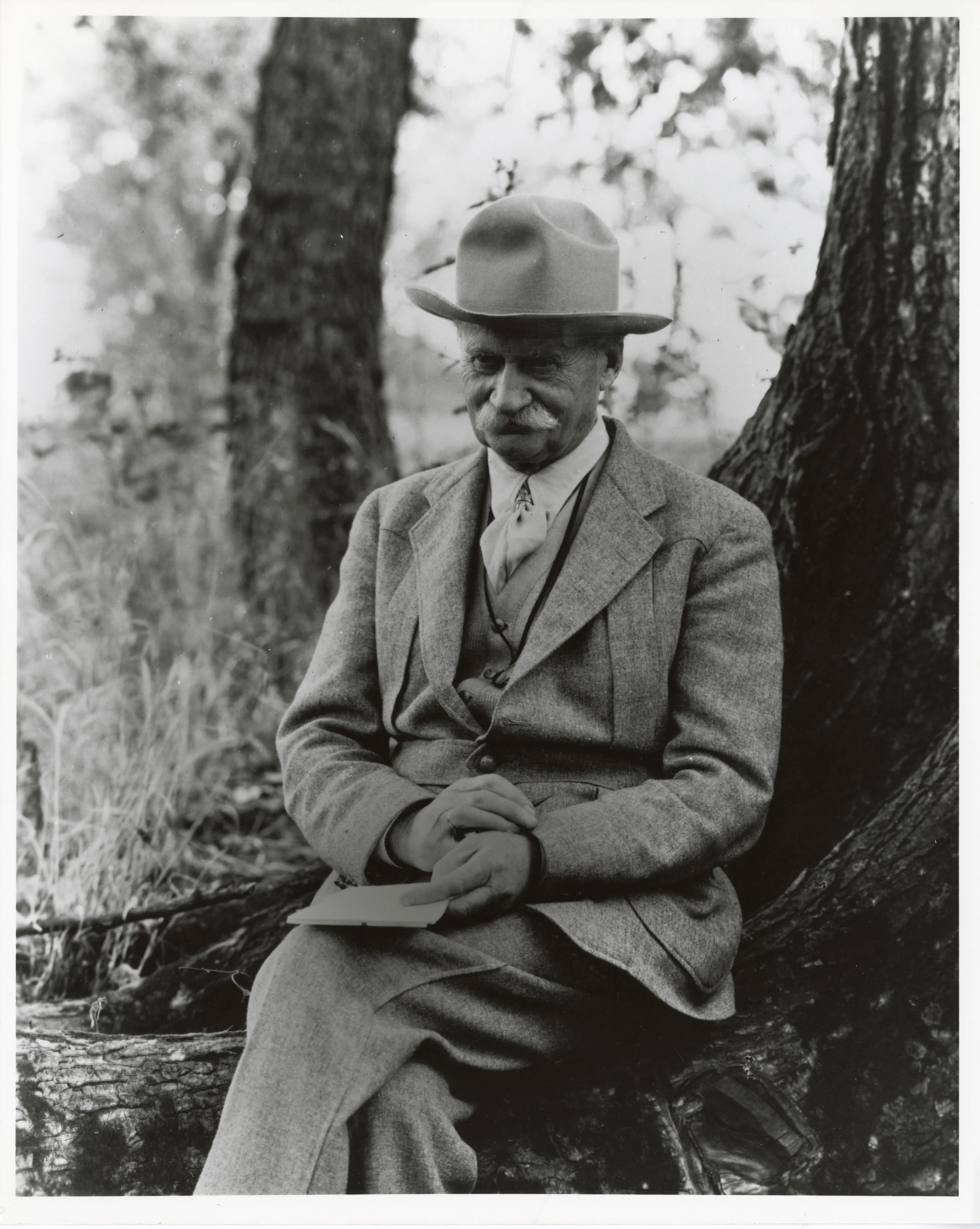
Jens Jensen on site of Lincoln Memorial Garden on Lake Springfield ca. 1935. Photographed by Herbert Georg Studio, Springfield, IL. Courtesy of the Sterling Morton Library, The Morton Arboretum.
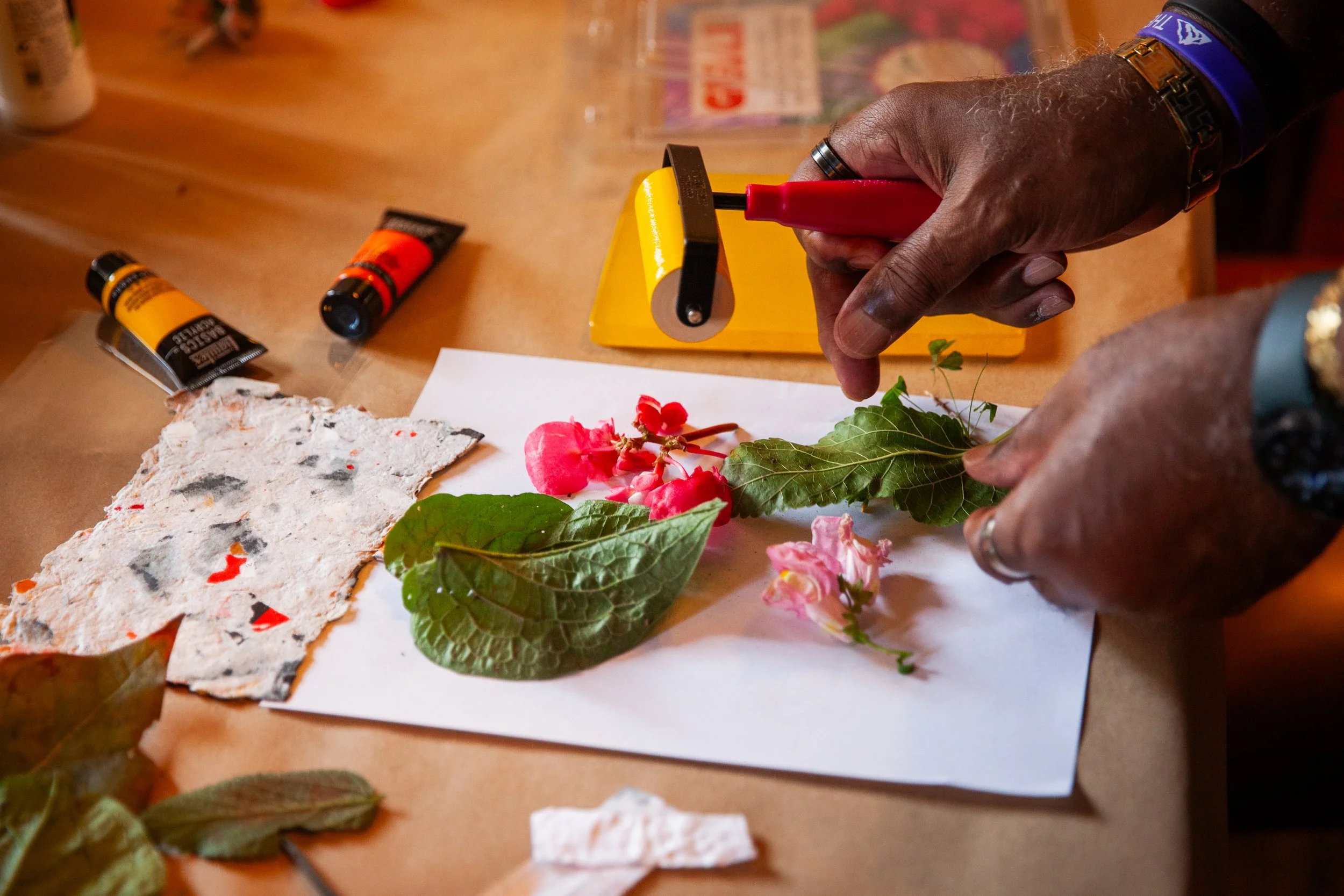
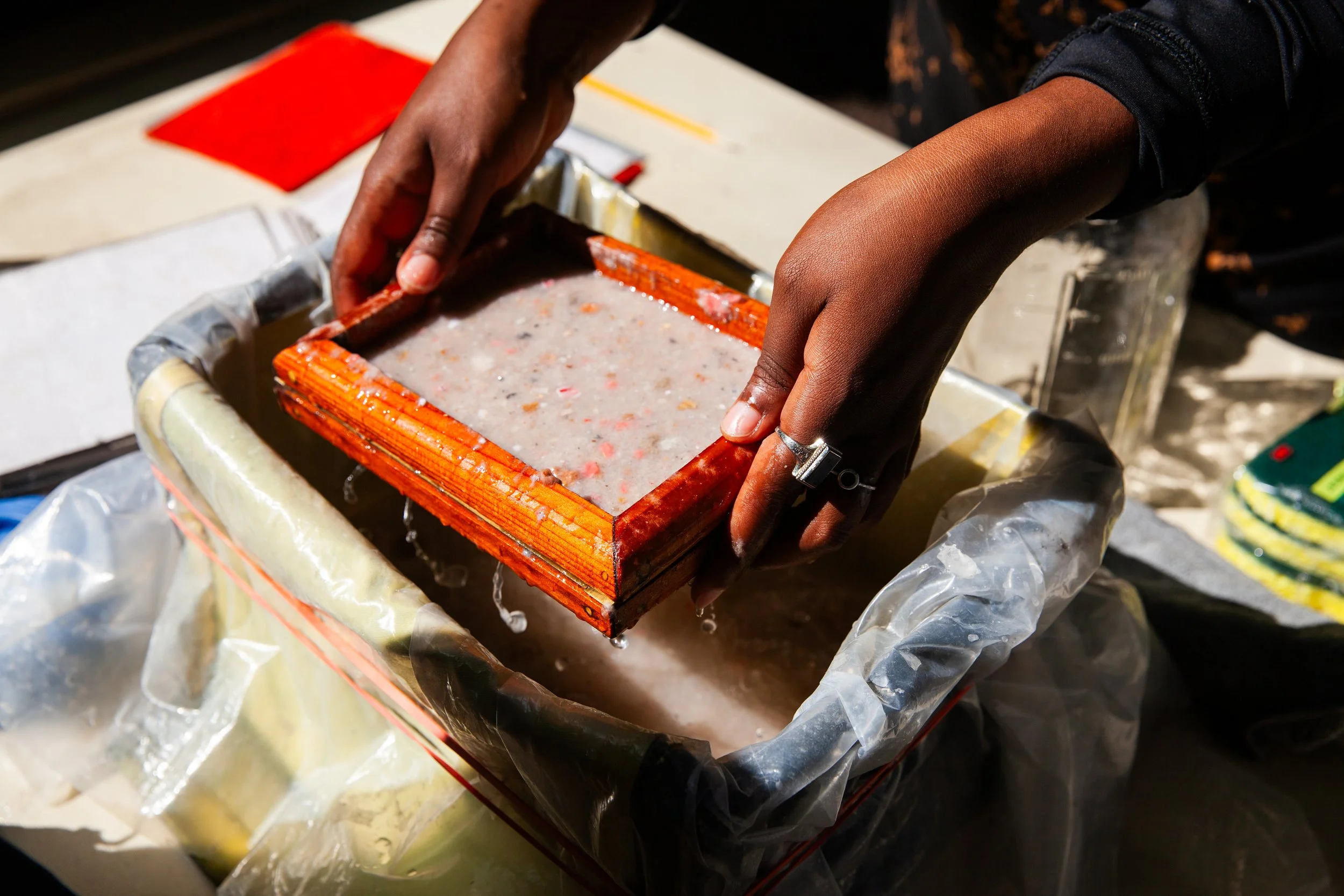
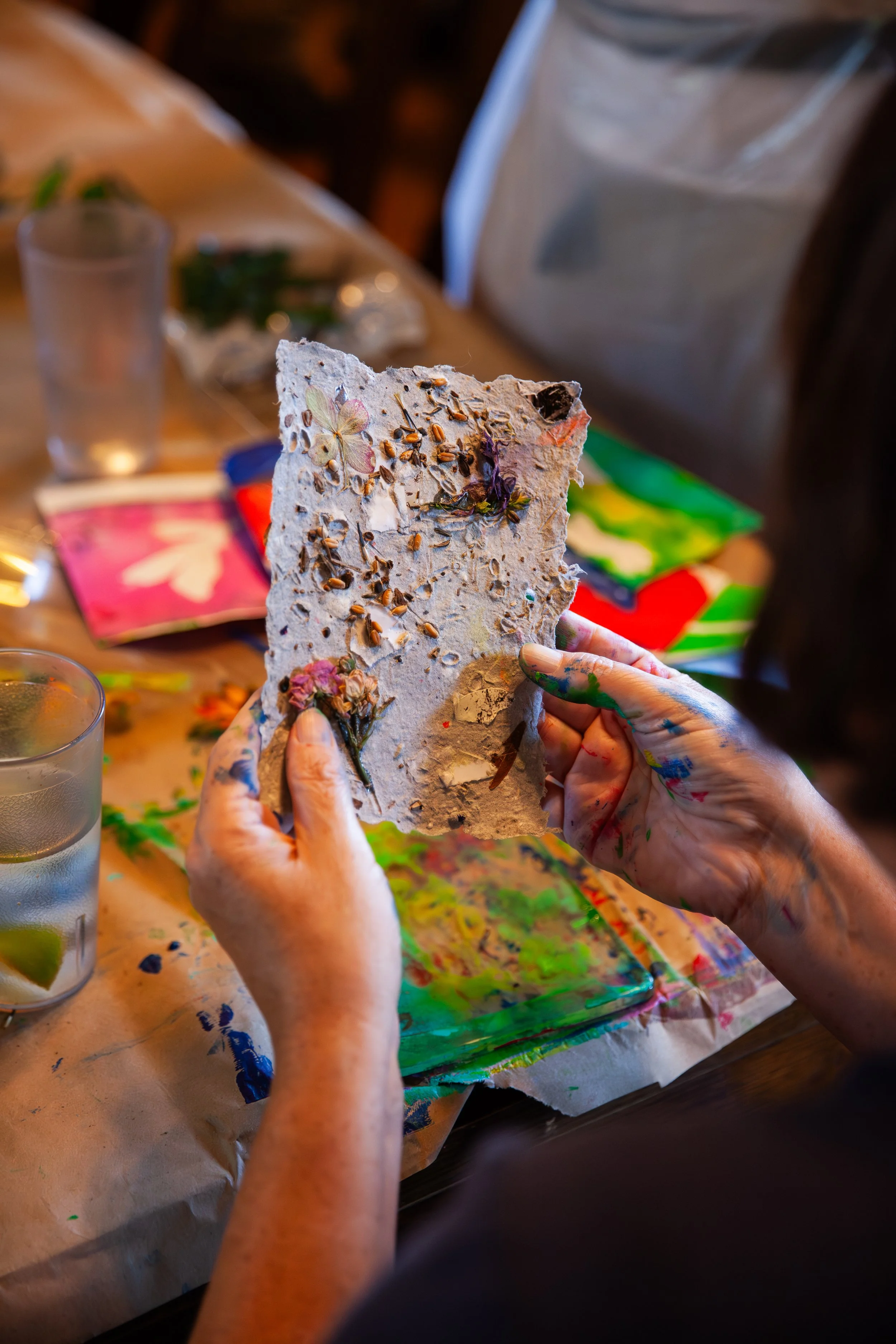
Planting Community is a series of botanical prints created by Red Line Service artists using plants collected from the Hull-House grounds and across the city. Printed on pulp recycled by the artists, the pieces appear in the windows throughout the historic home and invite visitors to reimagine found materials from the city and its natural environs as tools for regeneration, and to rethink art as a medium for social belonging.
Artist Workshops 09/14/25 Photographed by Marisa Klug-Montaya
Perennial City: Experiments in Urban Gardening is supported by the Efroymson Family Fund and the Helen Frankenthaler Foundation.
Public programs are supported by the Building Climate Resilient Spaces for the Humanities at UIC project. The partnership between Jane Addams Hull-House Museum and Red Line Service is supported by the Terra Foundation for American Art. Perennial City is supported by generous donors to the museum's annual Neighborhood Social.
