
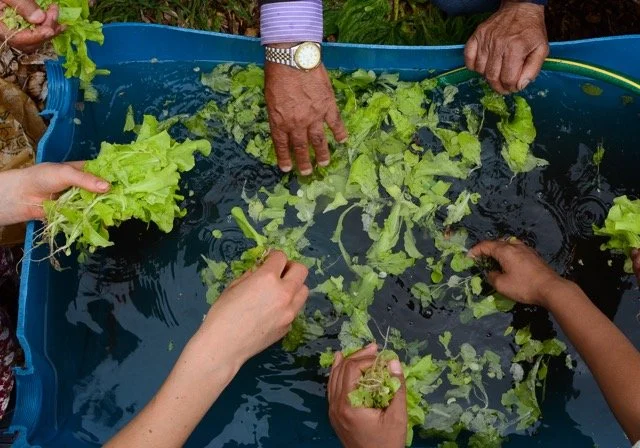
A one-day conference presented in collaboration with Perennial City: Experiments in Urban Gardening (March 19 — December 18, 2026), an exhibition at the Jane Addams Hull-House Museum that reveals how working people—past and present—have used gardening as a tool for creativity, care, and community action.
The day-long gathering of artists, growers, scholars, organizers, and University of Illinois Chicago partners from UNAM-Mexico City will explore the transformation of land from industrial use to food production; the preservation of local seeds and the conservation of animal species; the documentation and transmission of agricultural and culinary knowledge; the creation of alternative food networks for distributing and sustaining local crops; and the collective organizing required to defend these systems that nourish us all.
University of Illinois Chicago Co-sponsors:
Building Climate Resilient Spaces for the Humanities: UIC's Jane Addams Hull-House Museum & Gallery 400 as Sites of Heritage Justice, School of Art & Art History; Department of Anthropology; Institute for the Humanities; Global Asian Studies; College of Medicine; Global Health Program, School of Public Health; Center for Extreme Conditions and Health Excellence, School of Public Health; Collaboratory for Health Justice, School of Public Health; Undergraduate Program, School of Public Health; Community Health Sciences, School of Public Health
Co-organizers:
Molly Doane
Associate Professor of Anthropology and Affiliated Associate Professor of Latin American and Latino Studies at the University of Illinois Chicago, and Adjunct Curator at the Field Museum
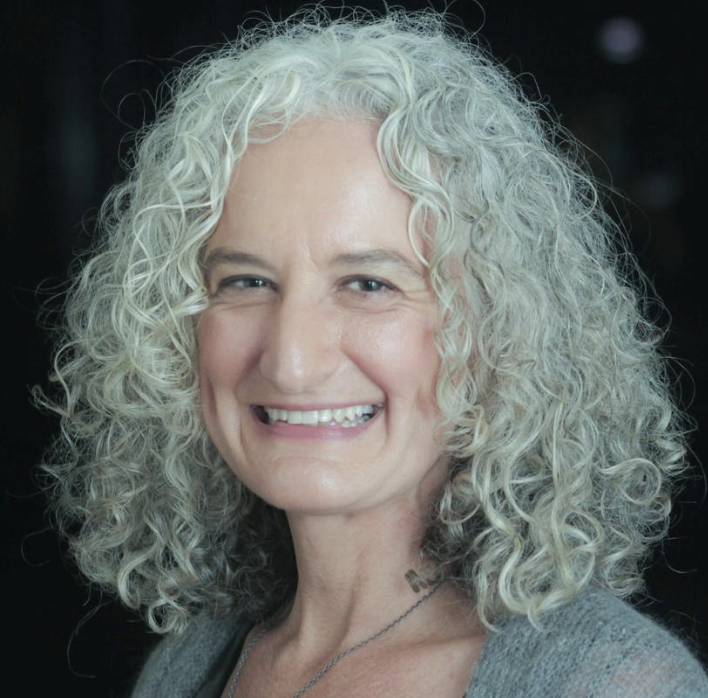
Molly’s research concerns environmental politics, alternative markets, and social movements in Mexico and the United States. She has also conducted research in southern Mexico and the US-Midwest concerning an environmental and social justice commodity, organic fair-trade coffee, to investigate ideas about social justice in the context of free trade market logics. Molly’s current research concerns wellbeing and views of climate change in Chicago community gardens, and has been funded by the Wenner-Gren Foundation for Anthropological Research.
Joanna Michel
Director of Urban Medicine Program, Deputy Director of AHEC-Illinois (Illinois Area Health Education Centers), Clinical Assistant Professor in Medical Education and Affiliate Professor in Public Health at the University of Illinois Chicago
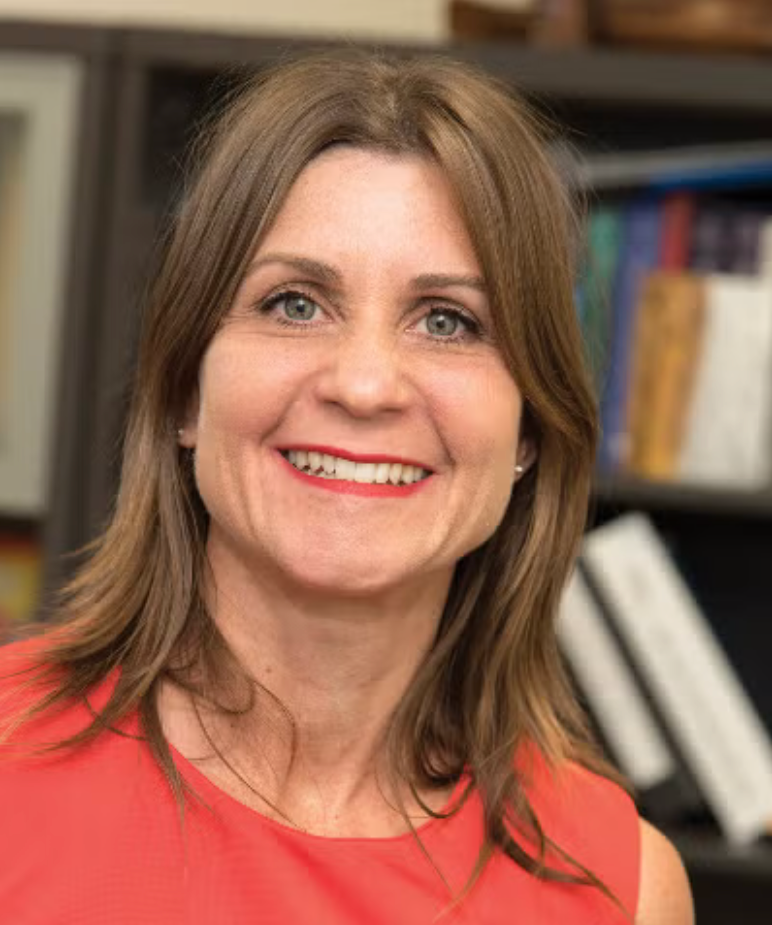
Joanna’s career focuses on health access and health equity in marginalized urban communities, with a special interest in community-informed practices around food apartheid and plant medicine. She is a two-time Fulbright Scholar (2004, 2017) for her research on plant medicine for women’s health among the Q’eqchi Maya in Guatemala and urban ethnobotany in Medellin, Colombia. Her current research focuses on community health, farming practices and climate change in Chicago, Mexico and Brazil.
Featuring:
Sarah Bak-Geller
Researcher and Professor, Institute of Anthropological Research, National Autonomous University of Mexico
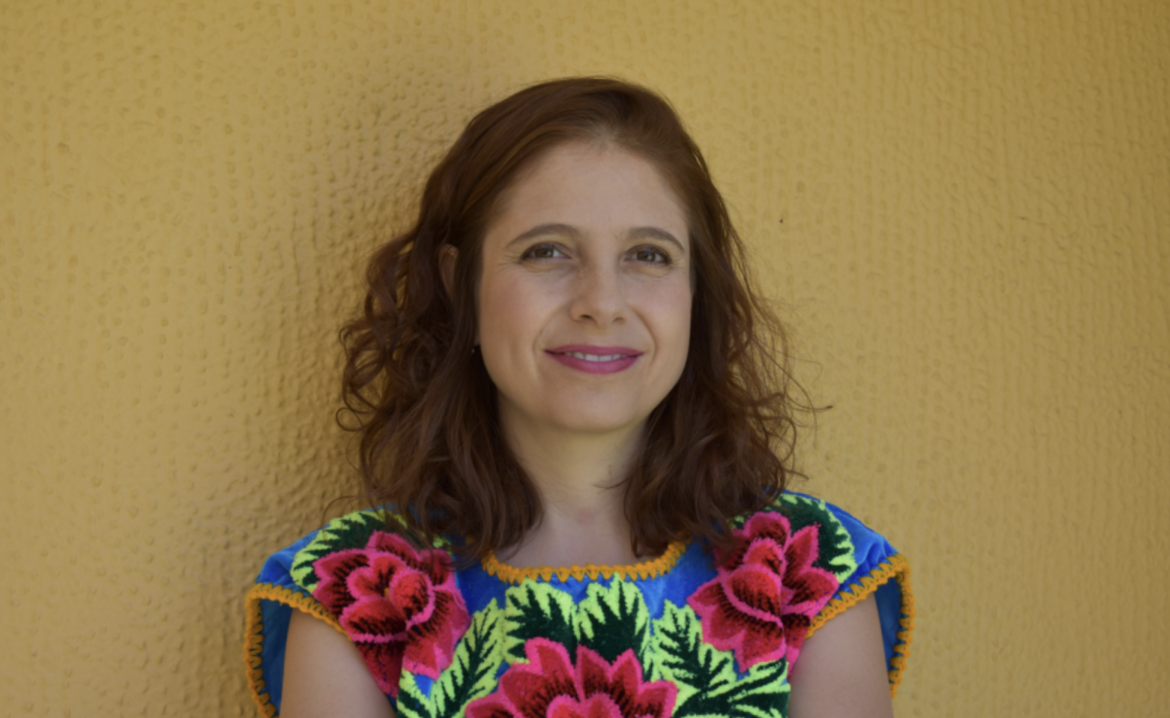
Sarah’s research interests focus on the political dimension of food practices and the forms of food representation in the contexts of colonialism and nation-building in Mexico and Latin America. From a historical and anthropological perspective, she will examine the genre of the “rebel cookbook” to understand some of the creative responses, formulated through the culinary register, to neoliberal policies of cultural identity recognition, while paving the way for different ways of living together.
Analú María López
Ayer Librarian and Assistant Curator of American Indian and Indigenous Studies at Newberry Library, Co-Director of Indigenous Chicago
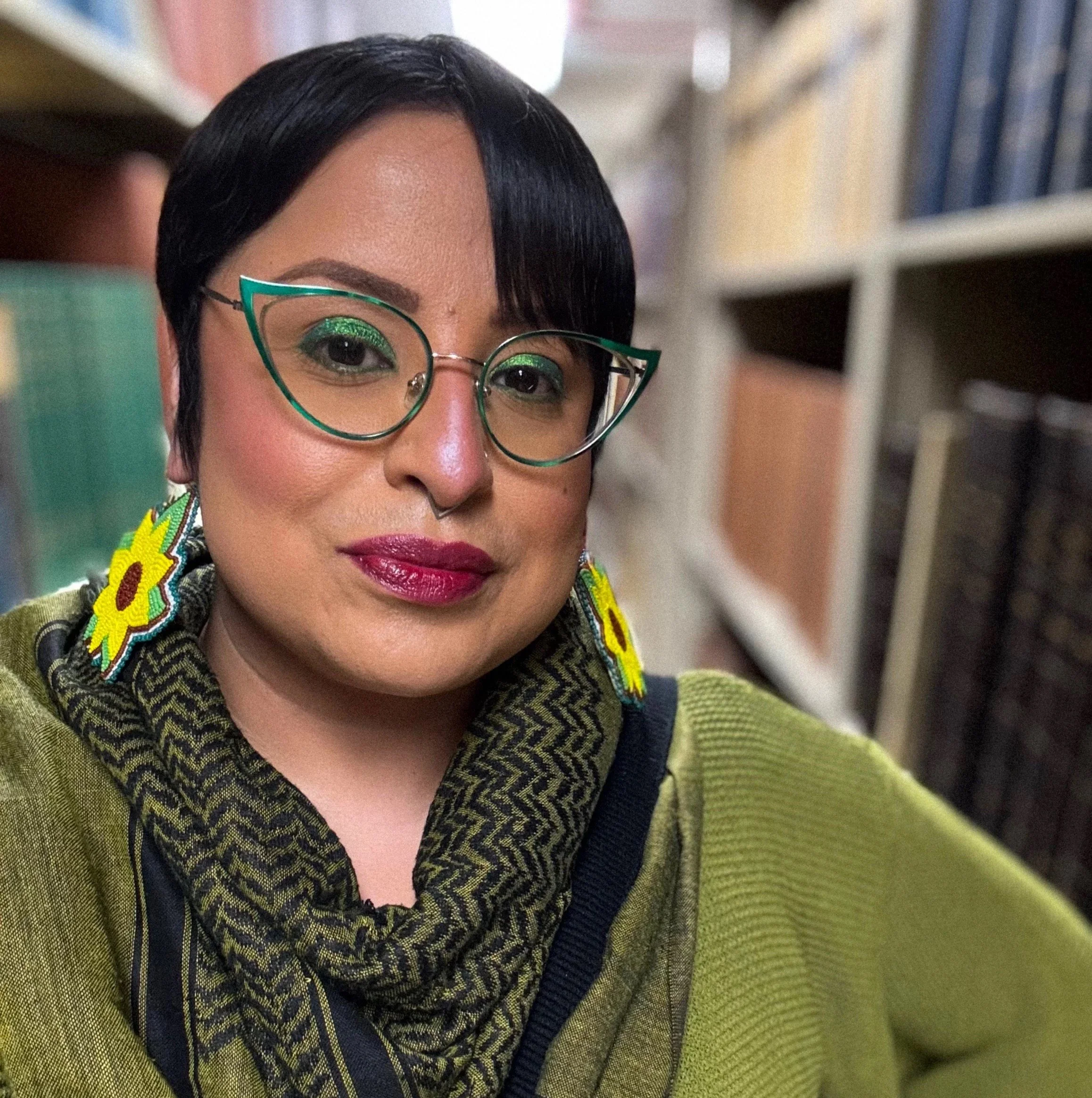
Analú (Huachichil/Xi'úi) is interested in the preservation, revitalization, and instruction of Indigenous languages, decolonial theory (within libraries), and intentional community collaborations for access to materials within colonial institutions. Her presentation will explore the meaning and importance of food sovereignty for Native peoples across the Americas, then focus on what it means to “grow corn in the hood” on the Southside of Chicago as someone who is part of the diasporic Indigenous community.
Anna Guevarra
Professor, Global Asian Studies University of Illinois Chicago
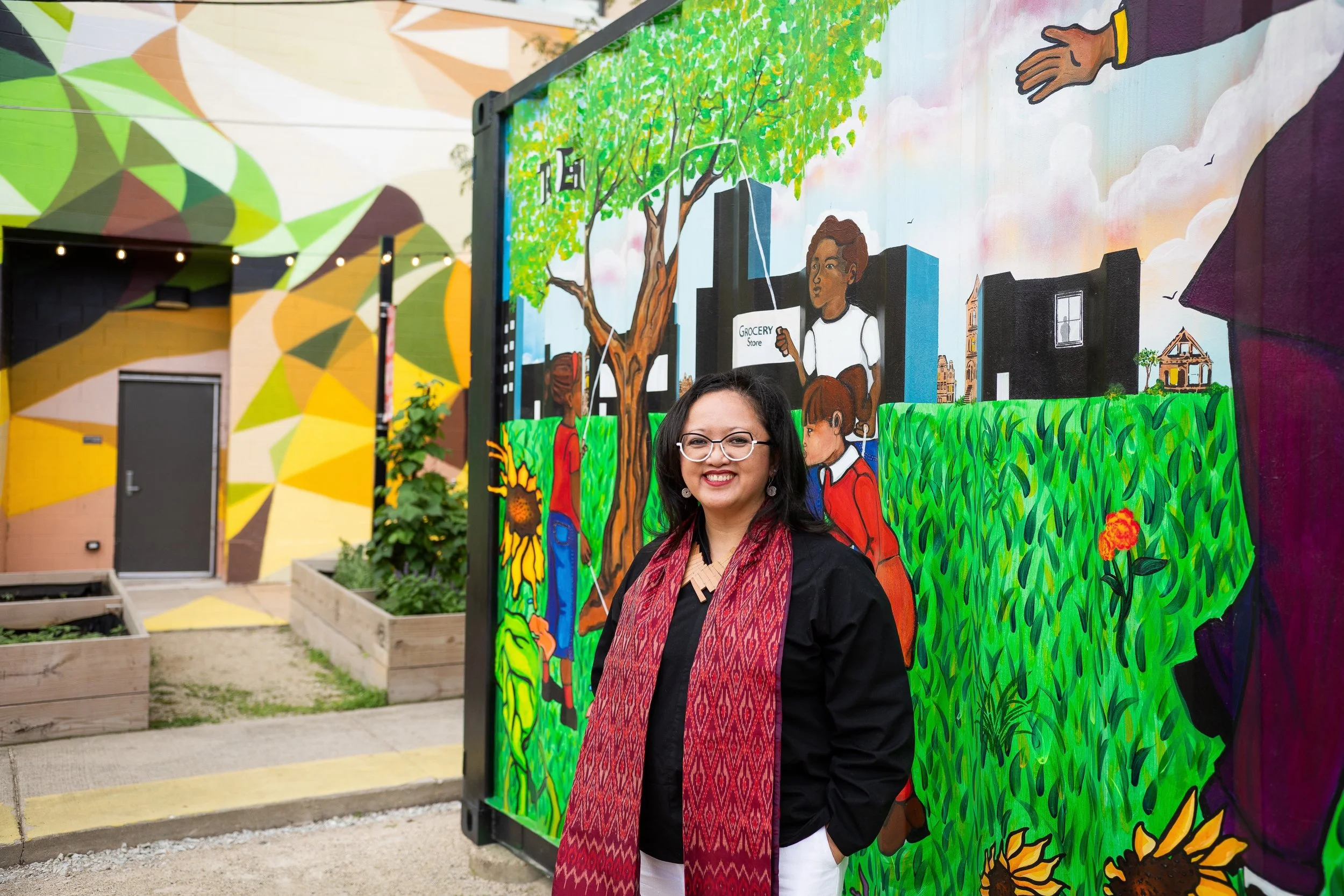
Anna is an interdisciplinary and public scholar whose work focuses on labor, the geopolitics of carework, migration, and displacements. Her presentation chronicles the building of a “collective kusina,” a classroom kitchen that is both a framework for teaching and a space of learning and belonging. It highlights the process of creating a food studies course anchored by the thematics of decolonization and sanctuary that honors familial and community traditions in the context of food preparation and consumption, while learning about the complicated, multilayered, and fraught histories of food and community.
Haley LeRand
Executive Director, Global Gardens Chicago
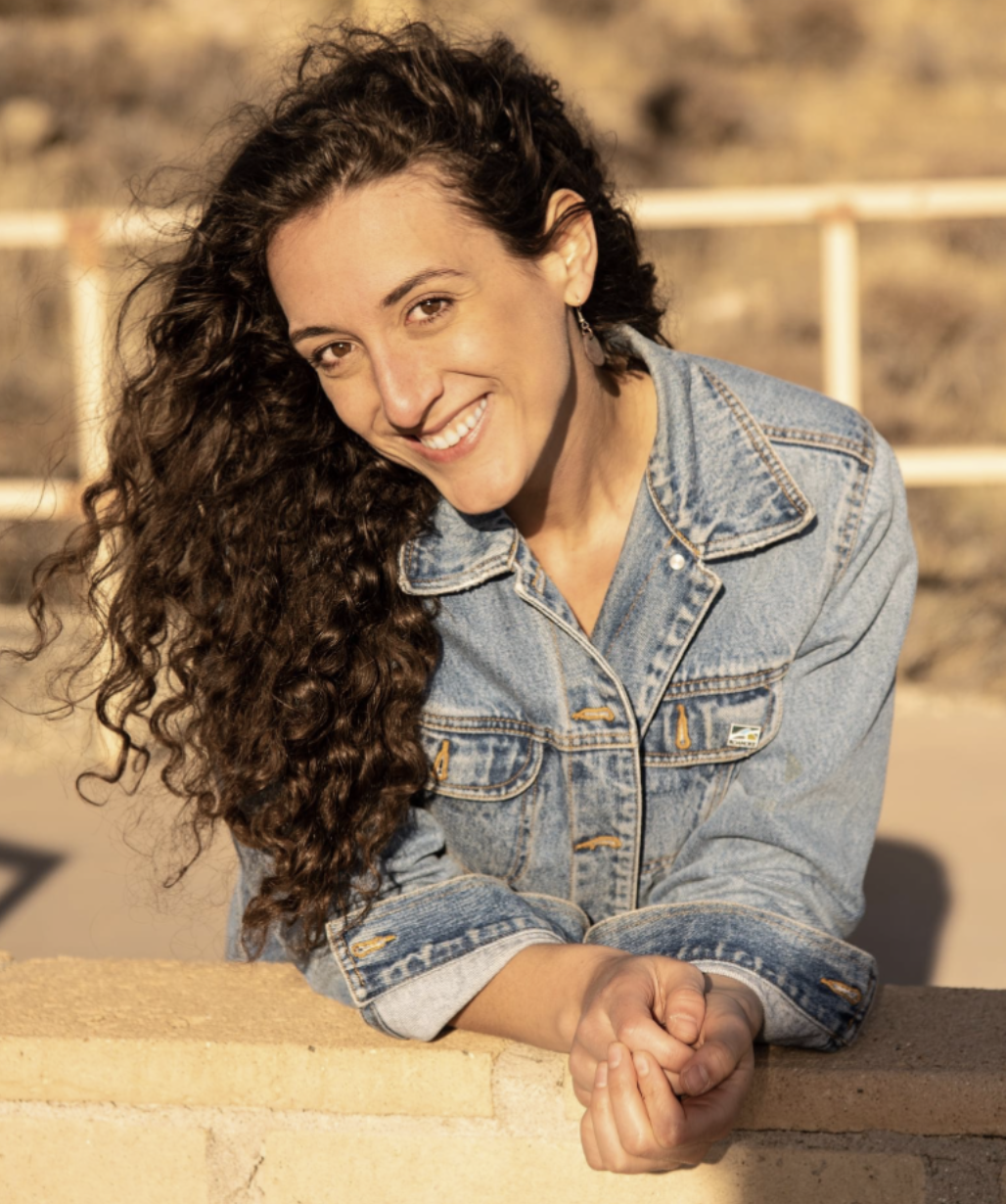
Haley is the Executive Director of Global Gardens Chicago (GGC), a non-profit farm in Chicago's Albany Park neighborhood that serves refugee families. Her presentation will focus on Global Gardens as a sanctuary where agriculture becomes a pathway to healing and integration for refugee families, where meaningful connections with their new community, as well as access to green space and fresh, culturally important produce supports both their physical and mental health, helping to counteract the isolation and food insecurity many refugees face.
Kesiah Bascom
Manager of Austin Grown, BUILD Chicago
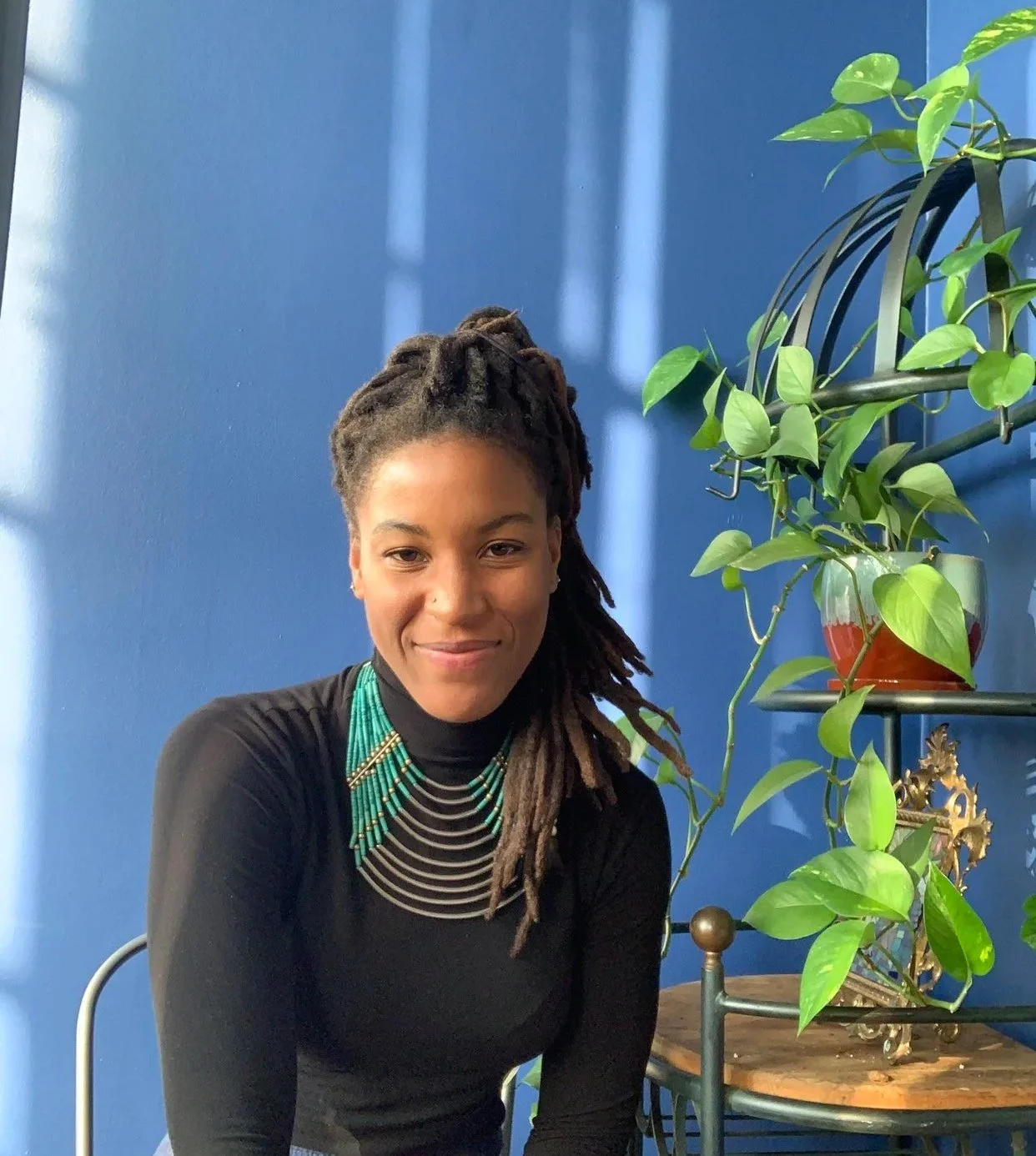
The bulk of Kesiah’s professional career has been rooted in food systems, sustainable agriculture, and food justice work. She will share lessons from community-based programs that expand food access, cultivate leadership, foster the spirit of reciprocity and create environmentally responsible neighborhood spaces. From youth garden initiatives to community composting and cross-sector partnerships, Kesiah will highlight how locally rooted food projects can address climate change, advance equity, and build resilience.
Ericka Gonzalez Guzman
Youth Instructor and Grower, Urban Growers Collective
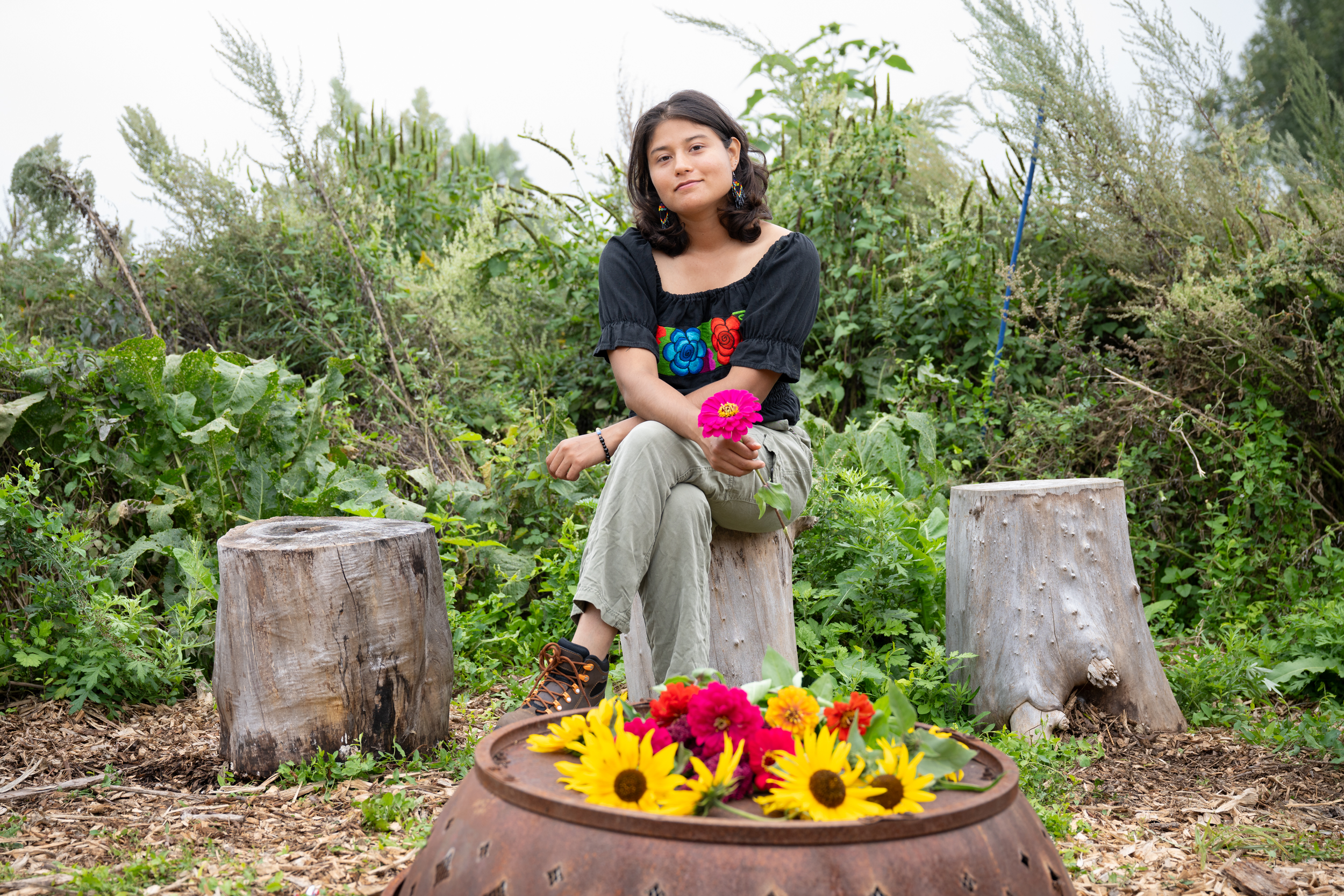
As a Latina immigrant, Ericka is dedicated to integrating her Mexican heritage into her work to uplift and advance the representation of other marginalized groups in urban sustainable agriculture. Since her start at Urban Growers Collective in 2023 as a Farm Educator, she has actively contributed to developing the next generation of urban farmers and food system advocates. They have a passion to share their knowledge intentionally with intergenerational audiences, ranging from pre-k, middle school, and teens, to adults and elders.
